Upgrading your old water heating system can seem like a daunting task, yet it often proves to be one of the most beneficial home improvements you can make. Every year, homeowners face the decision to repair or replace outdated systems, and many ultimately choose to stick with what they have. However, understanding the advantages of modern water heating technology could change that perspective entirely.
The benefits extend beyond just having hot water on demand; they encompass energy efficiency, cost savings, and even safety improvements. In a world where every penny counts and environmental concerns are at the forefront, investing in a new water heater can provide substantial returns both financially and environmentally.
Energy Efficiency: A Smart Investment
Older water heaters typically operate at much lower efficiency levels compared to today’s models. For example, traditional tank-style water heaters may have an energy factor ranging from 0.5 to 0.65, while newer models can achieve ratings above 0.9. This discrepancy translates into higher energy bills for homeowners who cling to their aging units.
Modern systems often utilize advanced technologies such as heat pump technology or condensing methods that significantly reduce energy consumption. A heat pump water heater can be two to three times more efficient than conventional electric models because it moves heat rather than generating it directly. By upgrading your heating system, you not only save money on monthly utility bills but also contribute less to greenhouse gas emissions.
Consider this scenario: If your current water heater uses 500 kWh per month and you upgrade to an energy-efficient model that uses only 300 kWh for the same amount of hot water, you might save around check here $240 annually based on an average electricity rate of $0.20 per kWh. Over time, these savings can offset the initial investment in a new unit.
Enhanced Performance and Reliability
Another significant advantage of upgrading is enhanced performance and reliability. Older units are prone to issues such as sediment buildup that reduces efficiency and leads to malfunctions over time. Sediment forms from minerals in hard water settling at the bottom of the tank, which can cause overheating and premature failure of components like heating elements and thermostats.
A new system comes equipped with improved materials designed to resist corrosion and sediment accumulation. Regular maintenance services like flushing your system can help prolong its life even further, but many modern models require less frequent service than older counterparts.
Also worth mentioning is the peace of mind that comes from knowing you have a reliable source of hot water when you need it most — whether it’s for a morning shower or filling up the dishwasher after dinner.
Safety Improvements: Protecting Your Home
Safety is another critical aspect where modern technology shines bright when compared to older systems. Traditional gas-powered units are notorious for potential hazards such as carbon monoxide leaks due to faulty venting or pilot light issues. Newer models come with improved safety features such as automatic shut-off valves in case of leaks or malfunctioning components.
Moreover, advancements in heating element technology mean fewer instances of failing components leading to dangerous situations like overheating or explosion risks associated with pressure buildup in tanks without proper safety valves.
In some regions, building codes require newer installations meet enhanced safety standards that older units simply do not comply with anymore. Upgrading ensures not only compliance but also adds layers of protection for your loved ones and property.
Environmental Impact: Going Green
Choosing an upgraded system also aligns closely with environmental goals many people have today. The construction industry has made great strides toward developing eco-friendly materials used in manufacturing new heaters while also improving their overall recyclability at end-of-life stages.
Energy-efficient models consume significantly less power than their outdated predecessors; this means reducing overall demand on power plants which subsequently lowers emissions from fossil fuels burned for electricity generation nationwide.
Additionally, many utility companies offer rebates or incentives for homeowners switching out older systems for newer energy-efficient ones as part of their commitment towards sustainability initiatives aimed at reducing overall carbon footprints within communities across states.
Types of Water Heating Systems Available
When considering an upgrade, it's essential first to understand what types are available on markets today so you can choose one best suited for your needs:
Tankless Water Heaters: These units heat water on demand rather than storing it in a tank; they provide endless hot water but may require upgrades if existing plumbing cannot support increased flow rates.
Heat Pump Water Heaters: Using electricity efficiently by transferring heat from air or ground sources instead of generating it directly; ideal if space allows installation.
Solar Water Heaters: Utilizing solar panels harnesses sunlight effectively reducing reliance on traditional energy sources; however initial costs may be higher upfront.
Condensing Gas Water Heaters: These use exhaust gases from combustion processes more efficiently than non-condensing versions leading lower operating costs over time.
Hybrid Systems: Combining various technologies (like tankless + storage) allows flexibility depending upon usage patterns within households while maximizing efficiency across different scenarios.
Each option has unique advantages and disadvantages depending upon factors such as household size, budget constraints during purchase/installations phases alongside long-term savings goals—so careful consideration should be given before making choices regarding replacements/upgrades.
The Installation Process
Once you've settled on a type suitable for your home’s requirements, understanding how installation works will help streamline transitions more smoothly while minimizing disruptions throughout daily routines:
Assessment: A professional will evaluate existing infrastructure including piping configurations along with electrical connections ensuring compatibility with selected new model specifications.
Removal: Properly disconnecting old unit involves draining residual waters followed by safely removing it from designated area without causing damage surrounding walls/floors nearby.
Installation: New unit placed securely according manufacturer guidelines ensuring all connections (gas/electric/water lines) are properly fitted before sealing any additional insulation around joints where necessary preventing future leaks occurring later down line.
Testing: Once everything is connected correctly technicians will run comprehensive tests verifying functionality ensuring no leaks present while confirming hot water flows adequately through taps located throughout residence.
Final Inspection: After successful testing phase technician provides thorough review explaining features available along maintenance tips keeping newly installed appliance running optimally over years ahead guaranteeing satisfaction returns expected post-upgrade process completion!
Choosing professional services during installation guarantees work performed correctly minimizing risks associated improper setups potentially leading disasters down line—making sure all local codes adhered too protects homeowner investments greatly!
Cost Considerations
While upfront costs associated purchasing/installing new systems may seem daunting initially—multiple factors contribute overall price tag including type chosen size required complexity involved replacing older fixtures therein too!
1) Average prices range depending upon available options & complexity involved ranging anywhere between $800-$3000+ factoring labor expenses into equation alongside material purchases needed complete job successfully!
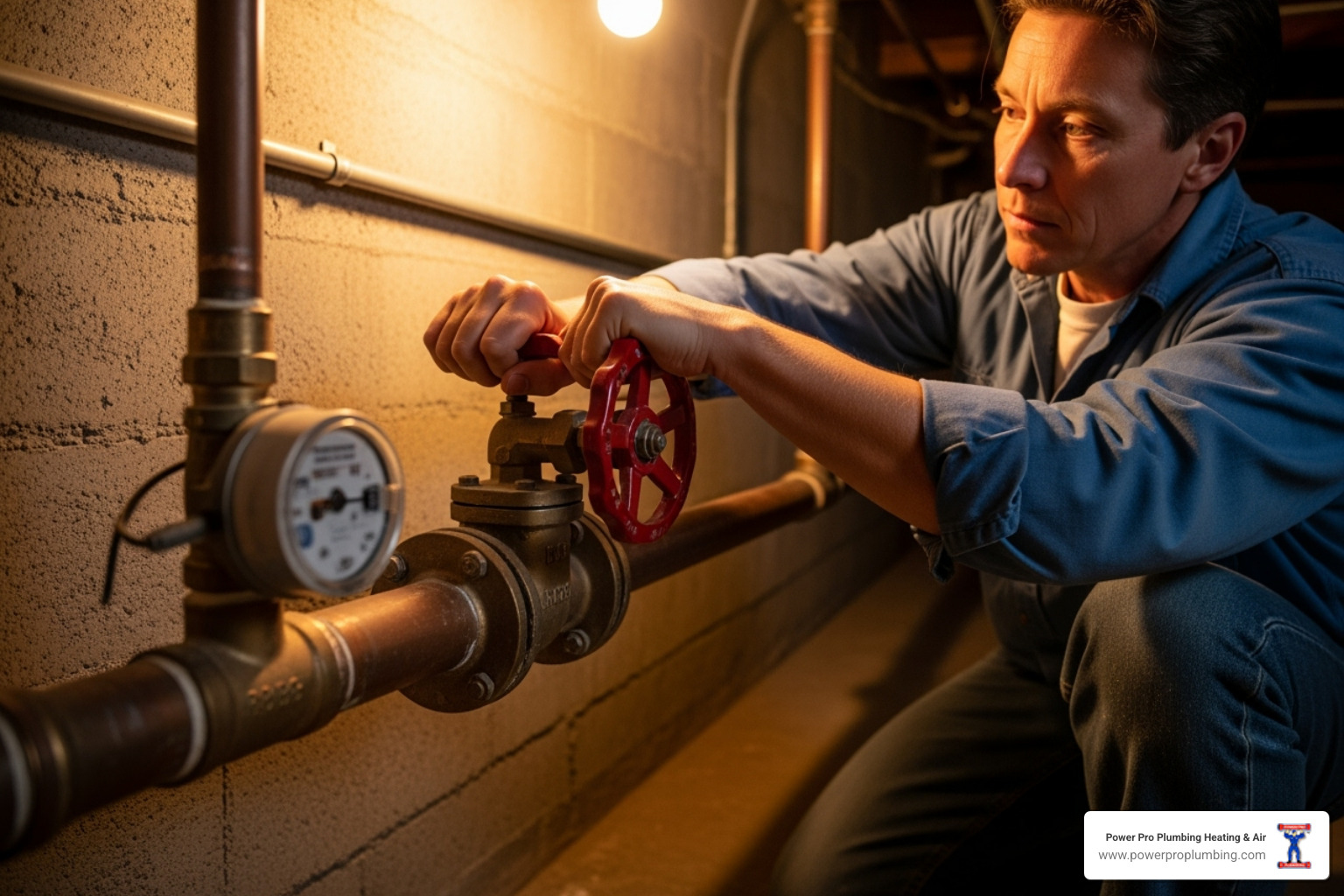
2) Don’t forget about ongoing maintenance costs; regular check-ups help keep things running well avoiding larger repairs later down road resulting unfortunate surprises!
3) Additionally take advantage tax credits/rebates offered by utilities encouraging greener choices made today benefiting environment while also helping wallets simultaneously!
Ultimately investing wisely expansion tank repair pays off big time yielding returns far exceeding initial expenditures when considering long-term impacts both economically environmentally!
Conclusion
Deciding whether or not upgrading your old water heating system merits serious consideration involves looking closely at its numerous benefits against potential drawbacks inherent sticking outdated tech longer than necessary!
From improved performance/efficiency levels - reducing both energy bills environmental impacts alike - increasing safety measures protecting families homes alike!
Understanding different types available aids narrowing choices down finding perfect fit tailored specific needs fitting neatly within budgetary confines established beforehand making transition smoother overall!
So why wait? Evaluate options discuss possibilities qualified professionals today maximize savings tomorrow by choosing smarter solutions paving path brighter future full comfort peace mind knowing reliable source hot water awaits whenever needed next!